
10 Ways to Ease Plantar Fasciitis at Home — Evidence-Backed Methods
Evidence-backed habits that fit into a normal day — from frozen water bottle rolling to morning stretches that reduce that brutal first-step heel pain.
Plantar fasciitis is one of the most searched foot conditions online — and one of the most frustrating. That sharp, stabbing pain in your heel when you take your first steps in the morning can make you dread getting out of bed. The good news: most cases respond well to consistent, simple home care. The key word is consistent.
Here are ten evidence-backed methods that fit into a normal day — no expensive equipment, no complicated routines. Start with two or three and build from there.
1. Roll a frozen water bottle under your foot
Fill a standard water bottle, freeze it, and roll it under your arch for 5–10 minutes after work or before bed. This combines the benefit of ice therapy (reducing inflammation) with a gentle massage that loosens tight fascia. It’s one of the most commonly recommended first-line treatments by podiatrists, and it costs nothing.
2. Stretch your calves every evening
Tight calf muscles are one of the biggest contributors to plantar fasciitis. When your calves are short and stiff, they pull on your Achilles tendon, which in turn increases tension on the plantar fascia. A simple wall stretch — lean forward with your back heel on the ground, hold for 30 seconds, repeat three times per side — done every evening can make a noticeable difference within two weeks.
3. Never walk barefoot on hard floors
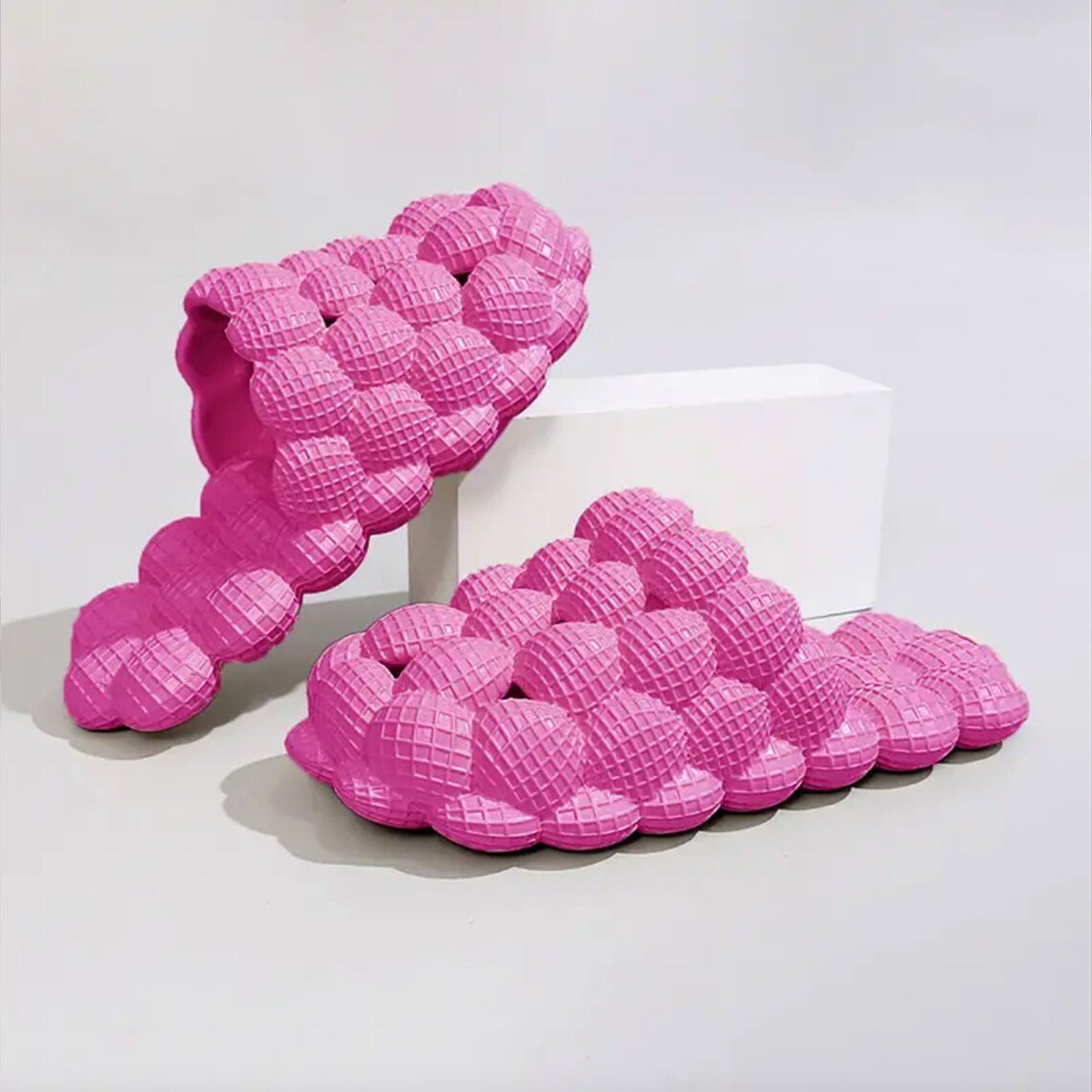
This is the most underestimated change you can make. Hard tile, hardwood, and concrete provide zero cushioning for an already irritated plantar fascia. Wearing supportive slippers or recovery slides at home — even just from bed to the bathroom — reduces the impact that triggers morning pain. Look for footwear with a contoured footbed, not flat foam. Our comfort footwear reviews cover the best options.
4. Strengthen your foot intrinsic muscles
Towel scrunches and marble pickups sound trivial, but they strengthen the small muscles in your foot that support the arch. Place a towel flat on the floor and scrunch it toward you using only your toes — 3 sets of 10, once or twice daily. These muscles are often weak in people with plantar fasciitis, and strengthening them helps the fascia share the load.
5. Use a firm massage ball on your arch
A lacrosse ball or dedicated foot massage ball provides more targeted pressure than a foam roller. Stand on it with moderate pressure and slowly roll it along your arch — from heel to just behind the ball of your foot. Two minutes per foot, once daily. Avoid rolling directly on the heel bone if it’s acutely painful; focus on the arch instead.
6. Tape your arch for immediate support
Low-dye taping is a simple technique where you apply athletic tape along the sole of your foot to support the arch and reduce strain on the fascia. It provides instant relief for many people and is especially useful on high-pain days or before long periods of standing. Search “low-dye taping for plantar fasciitis” for video guides — it takes about three minutes once you learn the pattern.
7. Manage your standing time
If you stand for work, ask yourself: can any part of your shift be done sitting? Even alternating between standing and sitting in 30-minute intervals makes a significant difference. If sitting isn’t an option, an anti-fatigue mat reduces the load on your feet by encouraging micro-movements and absorbing impact.
8. Stretch before your first steps in the morning
That brutal first-step pain happens because the plantar fascia contracts and tightens overnight. Before getting out of bed, sit on the edge and do 10 gentle ankle circles in each direction, then pull your toes back toward your shin for 15 seconds (3 reps). This pre-loads the fascia gently so your first steps aren’t cold-starting on a stiff, irritated tissue.
9. Check your body weight honestly
This isn’t about judgment — it’s physics. Every pound of body weight translates to roughly 2–3 pounds of force on your feet during walking. For someone carrying extra weight, the cumulative load on the plantar fascia over a full day is enormous. Even a modest weight reduction (5–10 pounds) can meaningfully reduce symptoms. It’s one of the most effective long-term interventions, and studies consistently back this up.
10. Be patient — but set a timeline
Plantar fasciitis responds to consistency, not intensity. Doing these exercises once when it hurts won’t help. Doing them every day for three to four weeks usually will. Most people see meaningful improvement within six to eight weeks of consistent home care.
But if your pain hasn’t improved after six weeks of daily effort — or if it’s getting worse — see a podiatrist or physiotherapist. You may need custom orthotics, shockwave therapy, or a professional assessment to rule out other conditions. Home care works for most cases, but it’s not a substitute for professional evaluation when things aren’t progressing.
The bottom line
Plantar fasciitis is manageable. The most effective approach combines reducing load (better shoes, mats, managing standing time), restoring flexibility (calf stretches, rolling), and building strength (toe exercises). Pick three changes from this list, commit to them daily for a month, and reassess. Most people don’t need expensive treatments — they need the right small habits done consistently.